
The Business Case For Immersive Brand Experiences In 2026
CONTRIBUTED POST
Attention will not be won with loud commercials in 2026; it will be earned by companies that allow customers to enter into a story, test an experience, or see the value behind their promise.
Immersive experiences of brands have become a real business tool since consumers now want proof before they trust or believe.
Consumers also demand participation in the brand, rather than viewing messaging from afar.
Why Immersion Now Means Value
Immersion is about more than just entertainment.
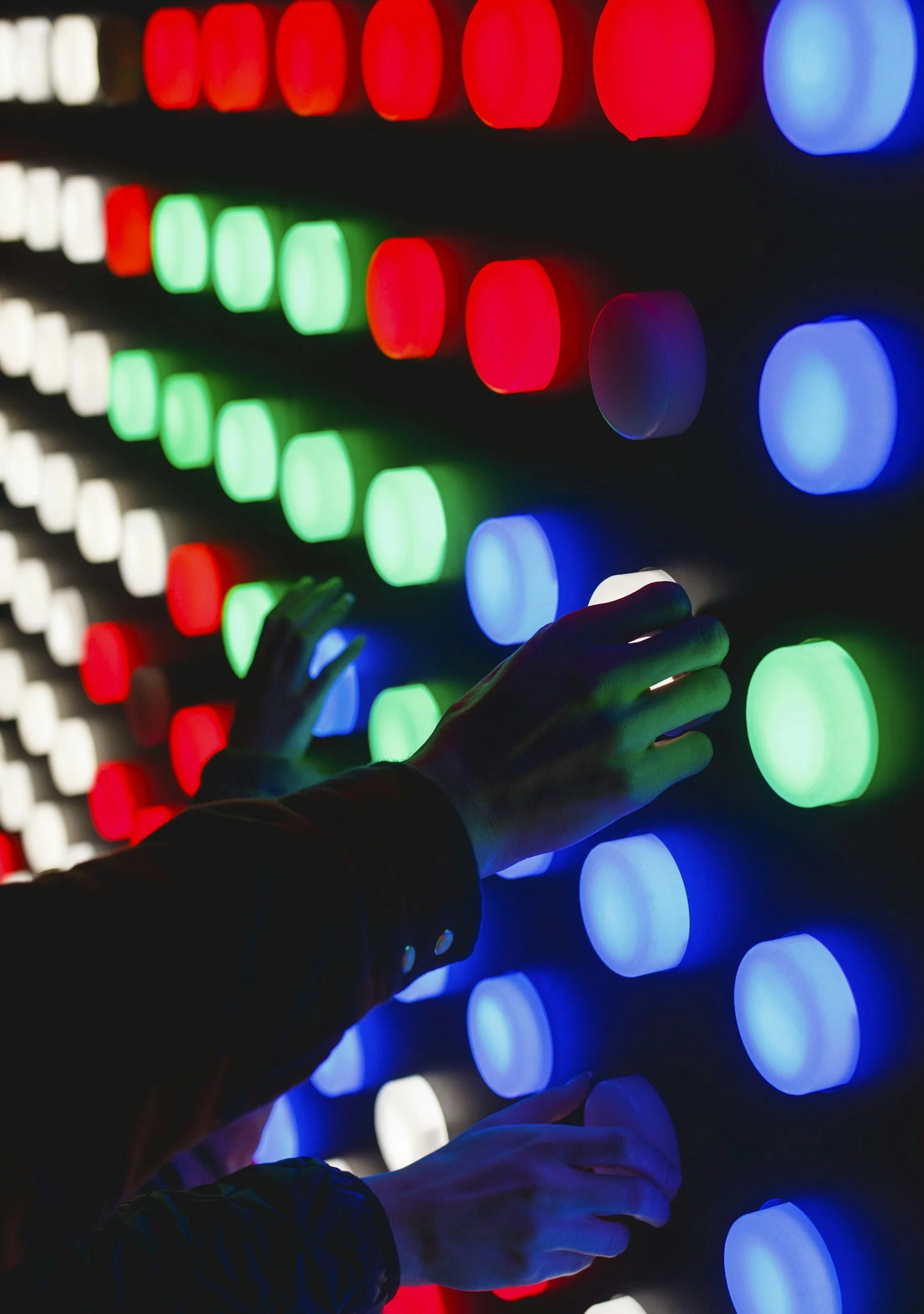
Immersive experiences create trust. In addition to being able to interact with products in a mixed-reality environment or use an interactive model to test services, people are now able to attend real events remotely and still have it feel personal without a physical venue.
This has turned a curious consumer into a confident one much quicker than traditional ad watching does.
The Tech Is Finally Practical
In the past, immersive marketing was associated with being both costly and experimental.
In 2026, the useful shift is not novelty, but access. There are now many web-based AR options available.
Many companies have developed better AI-powered personalization systems. Companies also have a number of spatial content creation tools at their disposal.
Live commerce platforms allow brands to engage consumers in real-time. And, most importantly, there are also AI-enabled creative solutions that help scale immersive experiences.
In 2026, the effectiveness of an immersive campaign will be just as much about the art and science that goes into designing the physical space in which consumers interact with your brand as it is about the creative idea itself.
By creating a comprehensive environment with appropriate audio and visual equipment and by creating an experience where all elements - lighting, sound, staging, and spatial design - are working in concert to create an immersive experience, you will have created an experience that is more memorable to the consumer than coming across a message about your brand on their social media.
Customer Expectations Have Changed
Customers have become much more particular about how they spend their time. They do not pay attention to “flat” campaign calls-to-action that expect customers to give them some of their valuable time if nothing valuable is offered in return. This is why experiential marketing is successful; it offers an improved method for wise choices, learning, comparing, and imagining what it would be like to own.
Experience-based marketing is particularly beneficial to companies selling high-consideration items, premium services, travel destinations, membership programs, or anything else with an emotional appeal. A customer’s experience with your company could potentially answer their questions before they even know what to ask. It can also make a brand feel generous, confident, and easier to trust.
What Leaders Should Measure
An effective immersive strategy requires specific metrics from day one.
Track dwell time, repeat visits, assisted conversions, sample requests, community growth, sales lift, and quality of first-party data collected with consent. Then track what happens post-experience.
Is the experience shared?
Are your sales teams using the experience?
Has friction been reduced within the buying process?
Smart brands will not treat immersion as a spectacle.
They will build reusable environments, content systems, and customer journeys that can evolve through the year with less waste.
The Brands That Will Pull Ahead
Immersive brand experiences in 2026 will reward businesses that respect the customer’s intelligence.
The winning approach is simple: create moments people choose to enter because they are useful, memorable, and enjoyable.
When immersion helps customers feel closer to a decision, it stops being theatre and becomes growth.