
Smart Financing Strategies for Heavy Equipment Investments
CONTRIBUTED POST
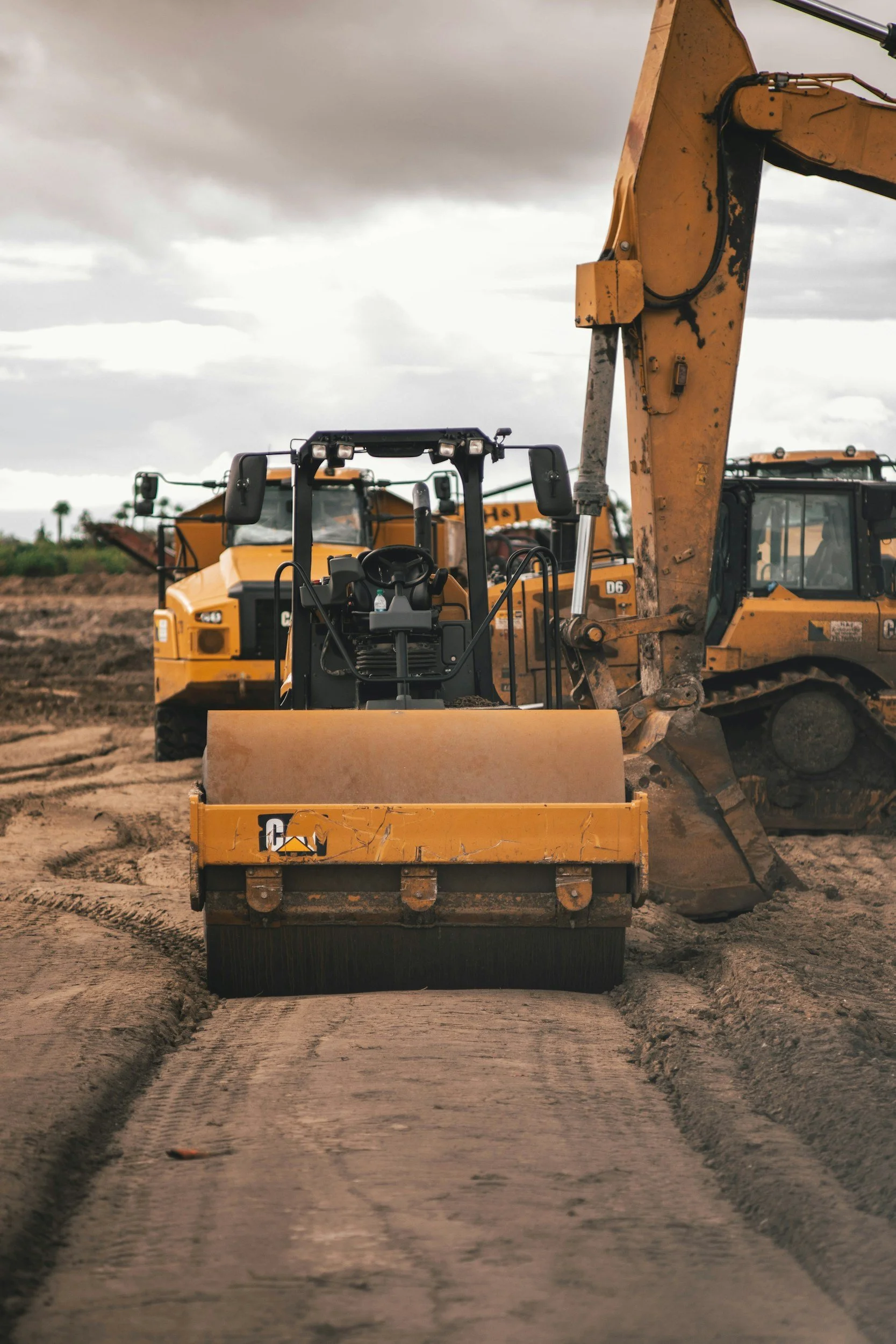
For industries like construction, agriculture, and manufacturing, heavy equipment drives growth. But buying these essential assets is one of the biggest expenses a business can face.
Smart financing isn't just about getting money; it's about matching how you buy equipment with your company's financial health and long-term goals.
A well-thought-out financing plan can open up new chances, make you more productive, and give you a real edge over competitors.
Understanding Equipment Financing Models
Before you pick the right path, you need to know about the main ways to finance equipment.
Unlike a regular business loan, equipment financing is made specifically for buying machinery and is often secured by the equipment itself.
This can make it easier for businesses to get, since the equipment acts as collateral.
The most common choice is a straightforward equipment loan.
Here, a lender gives you the money to buy the machinery, and you pay back the loan plus interest over a set time.
You can also use Small Business Administration (SBA) loans for equipment, which might offer better terms.
If you need more flexibility, a business line of credit lets you take out money as you need it for equipment costs or other expenses.
Understanding the details of different equipment loans and financing options is the first step in building a solid plan for buying equipment.
Lease vs. Buy: Which is Right for You?
One of the biggest decisions is whether to lease or buy your equipment.
There's no single right answer; the best choice depends entirely on your company's specific situation, like your cash flow, upcoming projects, and long-term strategy.
Leasing often means a lower upfront payment and predictable monthly costs, which can help with cash flow.
It also lets you regularly upgrade to newer models with the latest technology, so you don't have to worry about old equipment.
On the other hand, buying equipment means you own a valuable asset.
For businesses with good capital and a steady stream of long-term projects, comparing construction equipment for sale through a marketplace that offers new and used machinery can make it easier to find equipment that fits both operational needs and budget.
A thorough analysis involves weighing the costs and benefits of each option against what your operations need.
Securing Capital for Equipment Acquisitions
Once you've decided on a financing model and whether to lease or buy, you need to get ready to secure the money.
Lenders will look closely at your business's financial health to figure out the risk.
To make the best case, gather your key financial documents. This includes at least two years of tax returns, current income statements, and a balance sheet.
A strong business credit score is also crucial. If your score isn't as good as it could be, work on improving it by paying down existing debt and making sure all payments are on time.
Finally, prepare a detailed business plan that clearly shows how the new equipment will bring in money.
Show lenders exactly how the equipment will generate a return, whether it's through better efficiency, being able to take on bigger contracts, or expanding into new markets.
The Role of Reliable Equipment in ROI
The financing decision is only part of the challenge.
The quality and reliability of the equipment you get directly affect how much return you see on your investment.
A cheaper, older machine might seem like a good deal, but it can quickly become a problem if it breaks down often.
Downtime really kills profits.
Every hour a machine is out of service means lost productivity and potential income, not to mention the cost of repairs and idle workers. Investing in reliable, well-maintained equipment reduces these risks.
A newer, more efficient machine can finish jobs faster, use less fuel, and need fewer repairs.
All of this helps your bottom line. This improved operational efficiency is a key part of getting a good return on your capital investment.
Future-Proofing Your Equipment Investments
Thinking beyond just the current project is essential for a successful equipment strategy.
When you're getting a new asset, think about its long-term value and how adaptable it is.
Technology is becoming more and more important; features like telematics for monitoring machine health and GPS for optimizing deployment can lead to significant long-term savings and efficiency gains.
Consider if your investment can grow with you.
Will this piece of equipment still meet your needs in three to five years as your business expands?
Also, evaluate its potential resale value from the start.
Brands known for being durable and performing well tend to hold their value better, making them a more secure long-term investment.
Looking ahead helps ensure your equipment not only works for you today but also supports your growth for years to come.
Ultimately, financing heavy equipment is a strategic choice that shapes your company's ability to operate and its financial future.
By carefully looking at your options and planning for the long term, you can turn a big expense into a powerful way to drive growth and profitability.