
How Smart Accounting Platforms Reduce Administrative Errors in Financial Reporting
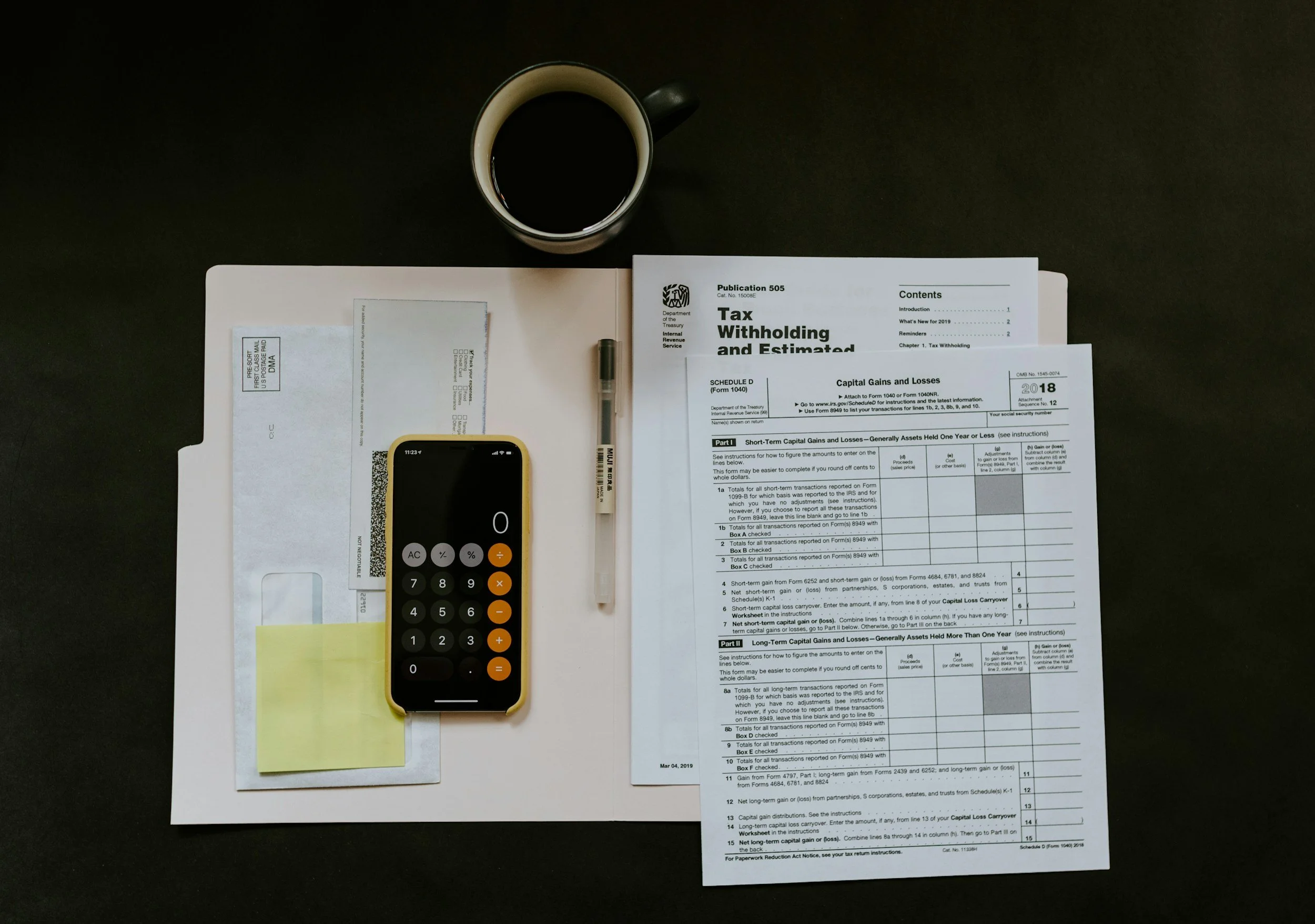
Financial reporting plays a central role in how organizations monitor performance, maintain transparency, and meet regulatory requirements.
Accurate financial data helps leadership teams make informed decisions while also building trust with investors, stakeholders, and regulatory bodies.
Yet many organizations still rely on manual processes and fragmented systems, leaving room for inconsistencies and human error.
Modern accounting platforms are changing how organizations manage financial records.
Advanced systems now combine automation, cloud infrastructure, and real-time data processing to improve accuracy and reliability in financial reporting.
As organizations grow and financial operations become more complex, the need for smarter accounting infrastructure becomes increasingly clear.
These platforms provide the visibility, automation, and safeguards necessary to maintain dependable financial records while minimizing administrative errors.
The Challenge of Administrative Errors in Financial Reporting
Even experienced finance teams face challenges when managing large transaction volumes, multiple revenue streams, and complex regulatory requirements.
Small inconsistencies can accumulate over time and lead to significant discrepancies in financial statements.
A study examined how errors in financial reporting affect stakeholder trust.
The results indicate that deliberate errors, including financial manipulation, damage stakeholder confidence far more than unintentional technical mistakes. However, it can also erode from unintentional mistakes.
Complex tax regulations also increase the likelihood of administrative mistakes.
Many organizations must navigate detailed reporting requirements that vary depending on jurisdiction, entity type, or operational structure.
For instance, a homeowners' association (HOA) needs to file Form 1120-H. The Internal Revenue Service (IRS) instructions for Form 1120‑H explain how qualifying HOAs report their income and calculate federal tax obligations.
They outline eligibility requirements for associations that elect tax treatment under Internal Revenue Code Section 528. Despite such instructions, there are chances that accountants make common mistakes in HOA tax filing.
As Ledgerly notes, there are many common mistakes they can make, such as inaccurate record-keeping and mismanaged reserve funds.
To overcome such challenges, it is best to work with professionals so board members can focus on other important things.
How Smart Accounting Platforms Improve Financial Accuracy
Smart accounting platforms increase financial accuracy by addressing many of the issues that lead to administrative mistakes.
Instead of relying on manual processes, these systems automate key accounting tasks and centralize financial data within a unified environment.
Automation reduces the need for repetitive data entry while improving the consistency of financial records.
This kind of accuracy is especially valuable when billing involves detailed service information and multiple administrative steps. For ABA providers, keeping client, service, and billing information organized can be just as important for avoiding administrative errors. Using billing tools for ABA providers can help streamline these processes and reduce manual work, particularly when billing information needs to move between different parts of an organization.
Transaction synchronization is one of the most valuable features offered by modern accounting platforms.
When financial systems connect directly with different platforms, transaction data flows automatically into the accounting system.
This integration removes the need for manual imports and lowers the risk of transcription errors.
A Forbes article highlights that this accuracy is essential in financial statements for supporting business growth. Reliable reports help leaders make well-informed decisions, plan budgets effectively, and develop stronger long-term strategies.
Accurate financial data also helps organizations predict future performance, manage cash flow, and keep spending aligned with practical goals.
It increases trust among investors, lenders, and other stakeholders by demonstrating that the business operates responsibly and adheres to regulatory standards.
Strengthening Internal Controls Through Automation
Smart accounting platforms reinforce internal controls through structured workflows and automated approval processes.
Instead of relying on informal communication, organizations can implement standardized procedures that guide financial activities from start to finish.
Automated approval chains help ensure that financial transactions pass through appropriate review stages before being finalized.
Expense approvals, invoice validations, and payment authorizations can all follow predefined workflows.
These safeguards reduce the likelihood of unauthorized transactions or overlooked discrepancies.
Audit trails represent another valuable feature of modern accounting systems.
Each action taken within the platform is recorded and time-stamped, creating a transparent history of financial activities.
Centralized document storage also contributes to stronger internal controls.
Accounting platforms allow teams to attach receipts, contracts, and supporting documents directly to financial transactions.
All this is done through an integrated accounting system, which acts as a unified platform that brings together key financial functions.
This centralized structure stores financial data in one system and automates many routine accounting tasks.
As a result, organizations reduce reliance on manual data entry, with transactions recorded automatically and updated in real time.
Preparing Organizations for Regulatory Compliance
Financial reporting must meet established accounting standards while also satisfying local tax regulations and disclosure requirements.
Smart accounting platforms simplify this process by embedding compliance safeguards into the financial workflow.
Many accounting systems include built-in compliance checks that flag irregular transactions or incomplete records. These alerts allow finance teams to correct issues before they affect official reports.
Regulatory reporting requires organizations to maintain detailed documentation of financial activities. Smart platforms support this requirement through comprehensive data storage and reporting capabilities.
As regulations evolve, accounting platforms update their features to reflect new requirements.
Software providers monitor regulatory changes and adjust system configurations accordingly, helping organizations maintain compliance without constantly redesigning internal processes.
Many platforms also leverage artificial intelligence (AI) for continuous compliance. Ernst & Young states that artificial intelligence is transforming tax compliance by:
Automating repetitive tasks
Enhancing data accuracy
Helping tax teams process large amounts of information more effectively
AI-powered solutions assist organizations in handling complex regulatory obligations through more efficient data collection, reconciliation, and compliance reporting.
This traditionally required significant time and effort.
Frequently Asked Questions
What role does staff training play in improving financial reporting accuracy?
Staff training is an important factor in reducing financial reporting errors.
Even when organizations implement advanced accounting platforms, employees must understand how to use the system correctly.
Training programs help finance teams learn proper data entry practices, system workflows, and reporting procedures.
How do regular financial audits help prevent administrative errors?
Regular financial audits provide an additional layer of oversight that can reveal inconsistencies or irregularities in financial records.
Internal or external auditors review financial statements, transaction histories, and supporting documentation to confirm that accounting practices follow established standards.
This process helps organizations detect potential reporting issues early and correct them before they grow into larger problems.
How does real-time financial monitoring improve decision-making?
Real-time financial monitoring allows organizations to view up-to-date financial information without waiting for periodic reports. This immediate access to financial data helps leadership teams track expenses, revenue patterns, and operational performance more closely. When decision-makers have current financial insights, they can respond quickly to emerging challenges or opportunities.
Administrative errors in financial reporting can create serious challenges for organizations of any size. Smart accounting platforms provide the infrastructure to eliminate manual error challenges through automation, integration, and real-time data management. These systems reduce the administrative burden on finance teams while strengthening internal controls and improving reporting accuracy.
As financial operations continue to grow in complexity, reliable accounting technology becomes an essential foundation for organizational success.
Intelligent accounting platforms offer a practical path toward more accurate financial reporting, stronger compliance practices, and greater confidence in financial decision-making.