
How Advanced Manufacturing Is Driving Innovation
CONTRIBUTED POST
When we think about innovation, our minds often go straight to software, apps, and digital services. But some of the biggest changes are actually happening in the physical world, right in the factories and workshops where our everyday products are made.
Advanced manufacturing is quietly changing industries, making it possible to create better products faster and more efficiently than ever before. This isn't just about making things; it's about building the future of business and the economy.
What Exactly Is Advanced Manufacturing?
Advanced manufacturing isn't just one technology.
It's a whole bunch of new tools and methods that are changing how things get made.
It brings new tech into old production processes to make them better. Think of it like upgrading from an old flip phone to a modern smartphone. Both can make calls, but one does a lot more, a lot smarter, and a lot more efficiently.
This field includes things like 3D printing (also called additive manufacturing), powerful robots, and using artificial intelligence to manage production lines. It also involves working with new, complex materials that are lighter, stronger, or have special properties.
The main idea behind these advanced manufacturing basics is to make production more flexible, efficient, and intelligent.
From Prototypes to Production: Speeding Up Innovation
One of the biggest ways advanced manufacturing helps is by speeding up how fast new products get developed.
In the past, making a prototype for a new part could take weeks or even months. It involved complicated tools and a lot of trial and error.
Today, with technologies like 3D printing, engineers can design a part on a computer and have a physical prototype in their hands within hours.
This quick feedback loop means they can try things out and improve designs much faster. It also lets them create complex shapes that used to be impossible or too expensive to make.
This even applies to specialized processes like Graphite Machining, where graphite is precisely shaped into molds, electrodes, and other components used in industries such as electronics and automotive manufacturing.
By making these foundational processes faster and more accurate, the entire product development cycle can move more efficiently.
The Role of Data and Automation
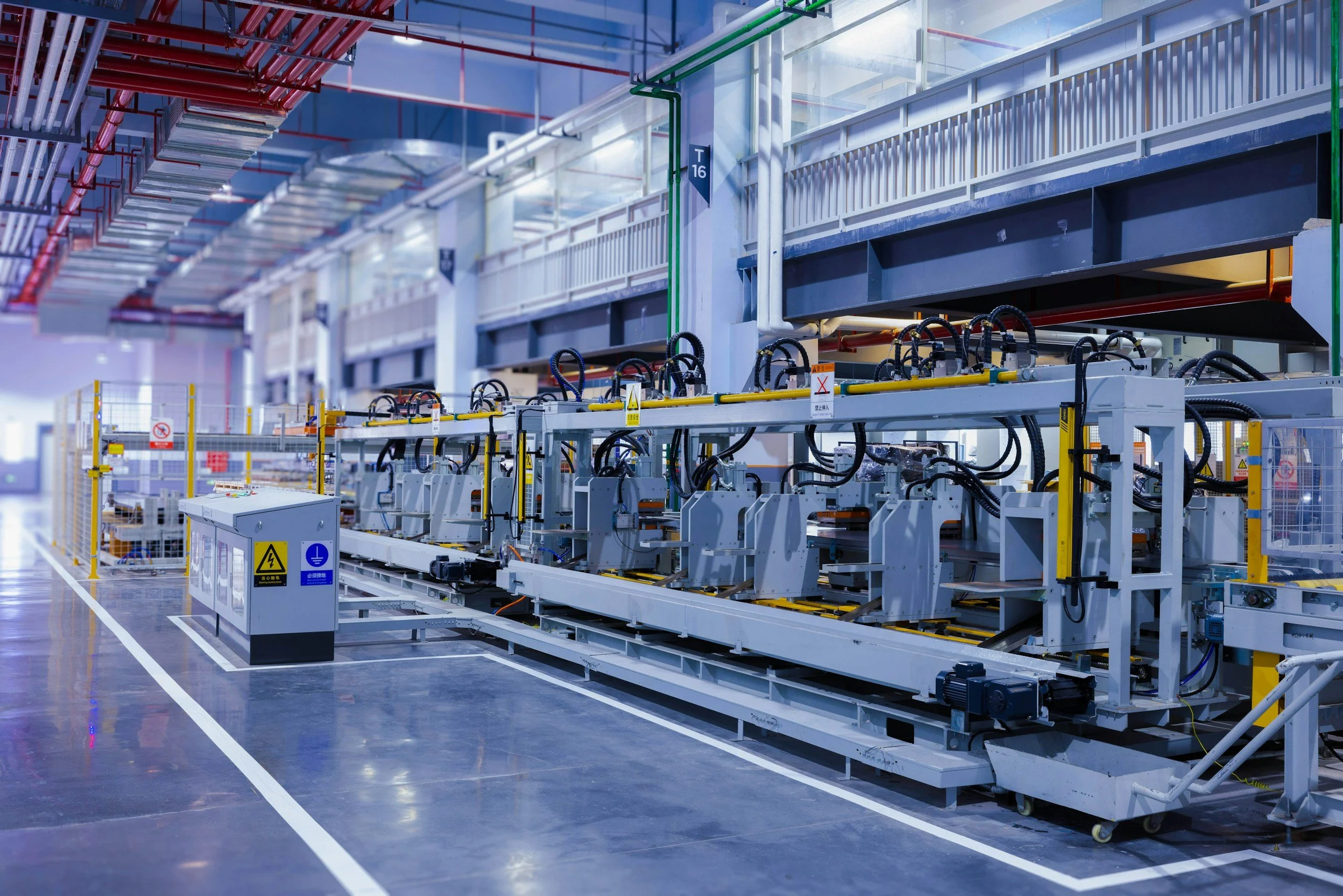
Modern factories are getting "smart."
They're full of sensors that collect tons of data about every part of the production process. This is where automation and data analysis come in.
Instead of just using robots for repetitive tasks, advanced manufacturers use artificial intelligence (AI) to look at this data in real time.
This data-driven approach brings big financial benefits.
For example, AI can predict when a machine might break down. This lets companies do maintenance before it happens, preventing expensive downtime.
It can also spot small inefficiencies in a production line that, once fixed, lead to big savings in materials and energy. This level of optimization helps businesses cut operational costs, improve quality, and make smarter strategic decisions.
Creating More Resilient and Sustainable Supply Chains
The last few years have really shown how easily global supply chains can break down.
Advanced manufacturing offers strong ways to build more resilience.
Technologies like additive manufacturing allow for "on-demand" production, meaning a part is only made when it's actually needed. This reduces the need to keep large, expensive inventories.
Plus, it makes more local manufacturing possible. Instead of relying on one factory across the world, a company can use a network of smaller, more flexible facilities, or even 3D print a replacement part right on site.
This not only makes the supply chain stronger against disruptions, but it also cuts down on transportation costs and the carbon footprint, leading to more sustainable business practices.
Fueling Economic Growth and New Opportunities
Ultimately, the move towards advanced manufacturing is a powerful driver of economic growth.
By helping companies innovate faster and run more efficiently, it makes them more competitive globally.
This isn't just for big corporations; these technologies are becoming more accessible, letting small and medium-sized businesses develop and produce specialized products that were once out of reach.
This industrial shift creates a need for new, high-skilled jobs in areas like robotics engineering, data science, and materials science.
As more industries adopt these methods, the benefits extend across the economy, supporting everyone from tech startups to service providers.
How we make things is always changing, and that's a basic force behind progress.
It reminds us that innovation isn't just about computer code; it's also about creating real products that shape our world in new and exciting ways.